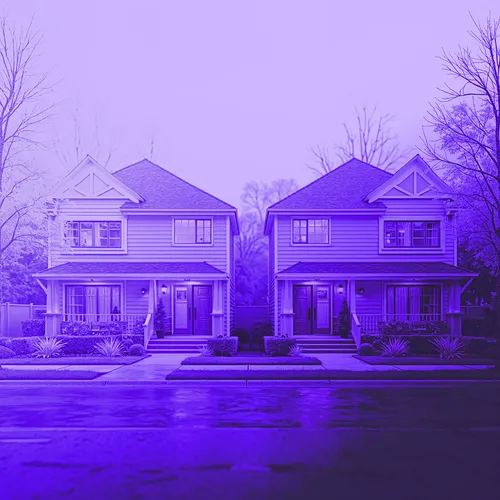
What Actually Determines Your Home’s Value
Why does your home’s value change even when nothing about it does?
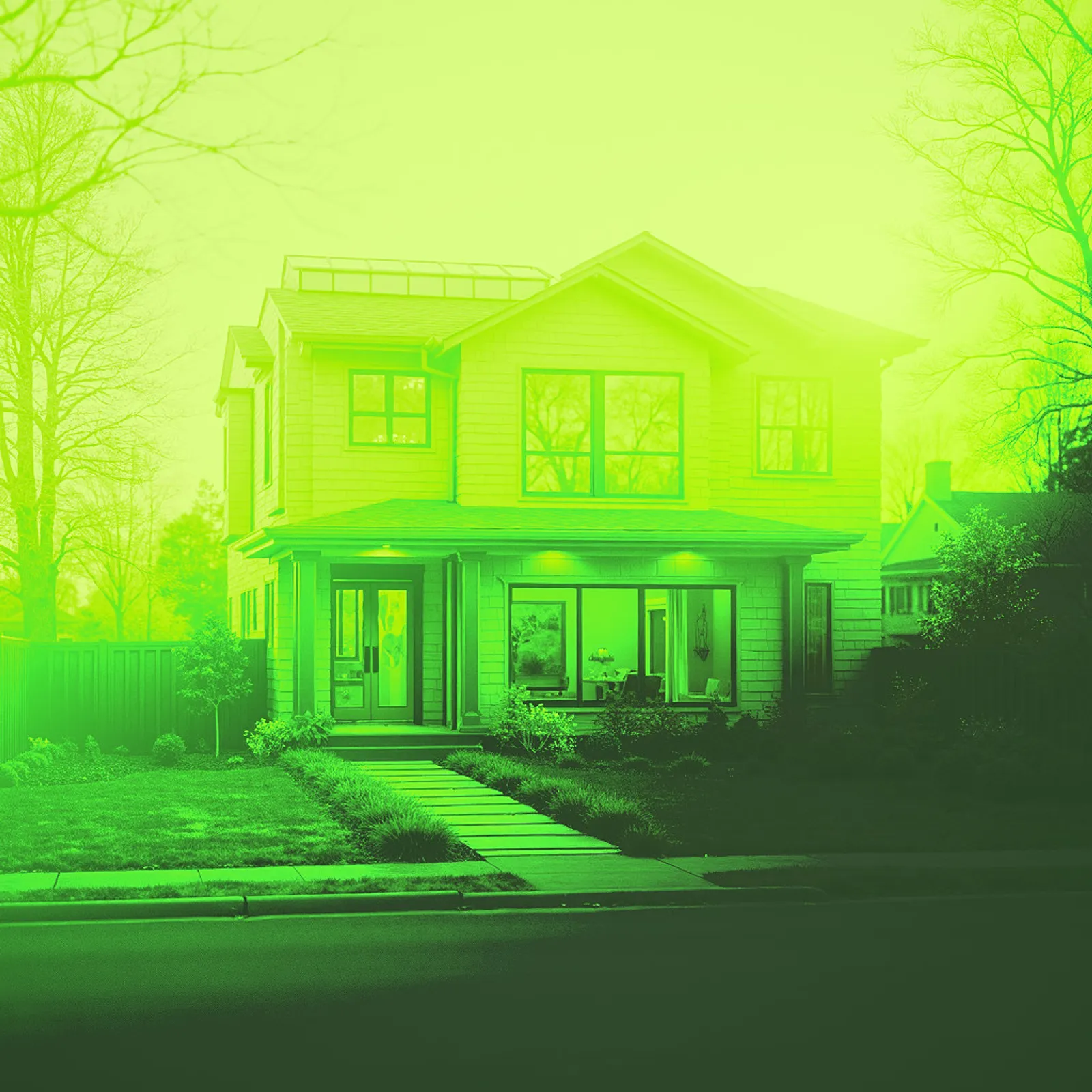
Quick Summary
- What affects value the most
- Costs or upgrades that change the number
- What you can’t control (and what you can)
Most people think a home’s value comes down to one thing: the price their neighbor sold for. That matters—but it’s only part of the story. Your home’s value is shaped by a mix of market forces, location details, and features that buyers care about more than you might expect.
Here’s what really moves the number up or down.
1. Location (And Not Just the City)
You’ve heard “location, location, location,” but it goes deeper than the city name.
Buyers look closely at:
- The specific neighborhood
- School zones
- Walkability and transit
- Noise, traffic, and nearby construction
- Distance to jobs, parks, and shops
Two homes a few blocks apart can have very different values because buyers feel different about living there.
2. Recent Sales (But Only the Right Ones)
Comparable sales—often called “comps”—are nearby homes that sold recently. These anchor your home’s value, but only when they truly match.
The best comps are:
- Sold in the last 30–90 days
- Similar size and layout
- Similar condition and age
- On the same side of major roads or boundaries
Old sales or mismatched homes can distort expectations fast.
3. Supply and Demand Right Now
Your home’s value changes with the market, even if the house stays the same.
When:
- Few homes are for sale → prices rise
- Many homes are sitting → prices soften
Interest rates, seasonality, and buyer confidence all affect how much competition exists at a given moment.
4. Size, Layout, and Usable Space
Square footage matters, but layout often matters more.
Buyers pay attention to:
- Number of bedrooms and bathrooms
- Functional layouts (not just big rooms)
- Finished basements or usable attics
- Storage, closets, and parking
A smaller home that feels practical can outprice a larger one that feels awkward.
5. Condition and Age (Buyers Notice More Than You Think)
Deferred maintenance quietly lowers value.
Things that raise red flags:
- Old roofs or windows
- Outdated electrical or plumbing
- Worn flooring and tired kitchens
- Signs of water damage
Even if buyers plan to renovate, they discount the price to cover risk and hassle.
6. Renovations That Actually Pay Off
Not all upgrades add value.
Generally helpful:
- Kitchens and bathrooms
- Energy-efficient upgrades
- Fresh paint and flooring
- Clean, neutral finishes
Less reliable:
- Highly personal design choices
- Overbuilding compared to nearby homes
- Expensive features buyers don’t expect in the area
Value comes from alignment with buyer expectations, not just cost.
7. Curb Appeal and First Impressions
Buyers decide how they feel about a home in seconds.
Small details matter:
- Landscaping and lighting
- Front door and entryway
- Exterior condition
- Cleanliness and smell
A strong first impression can raise perceived value before anyone checks the numbers.
8. Psychology and Timing
Value isn’t only math—it’s emotion.
Multiple offers, fear of missing out, or a “perfect fit” feeling can push prices higher. The opposite is also true when listings sit too long and buyers start asking what’s wrong.
The Bottom Line
Your home’s value is not a single number pulled from a website. It’s the result of:
- Where it is
- How it compares
- What buyers want right now
- How it feels to walk through
Understanding these factors helps you price realistically, negotiate confidently, and make smarter decisions—whether you’re selling, refinancing, or just keeping an eye on your equity.
Join our newsletter
Stay up to date with our latest news and updates.