Why Two Similar Homes Sell for Very Different Prices
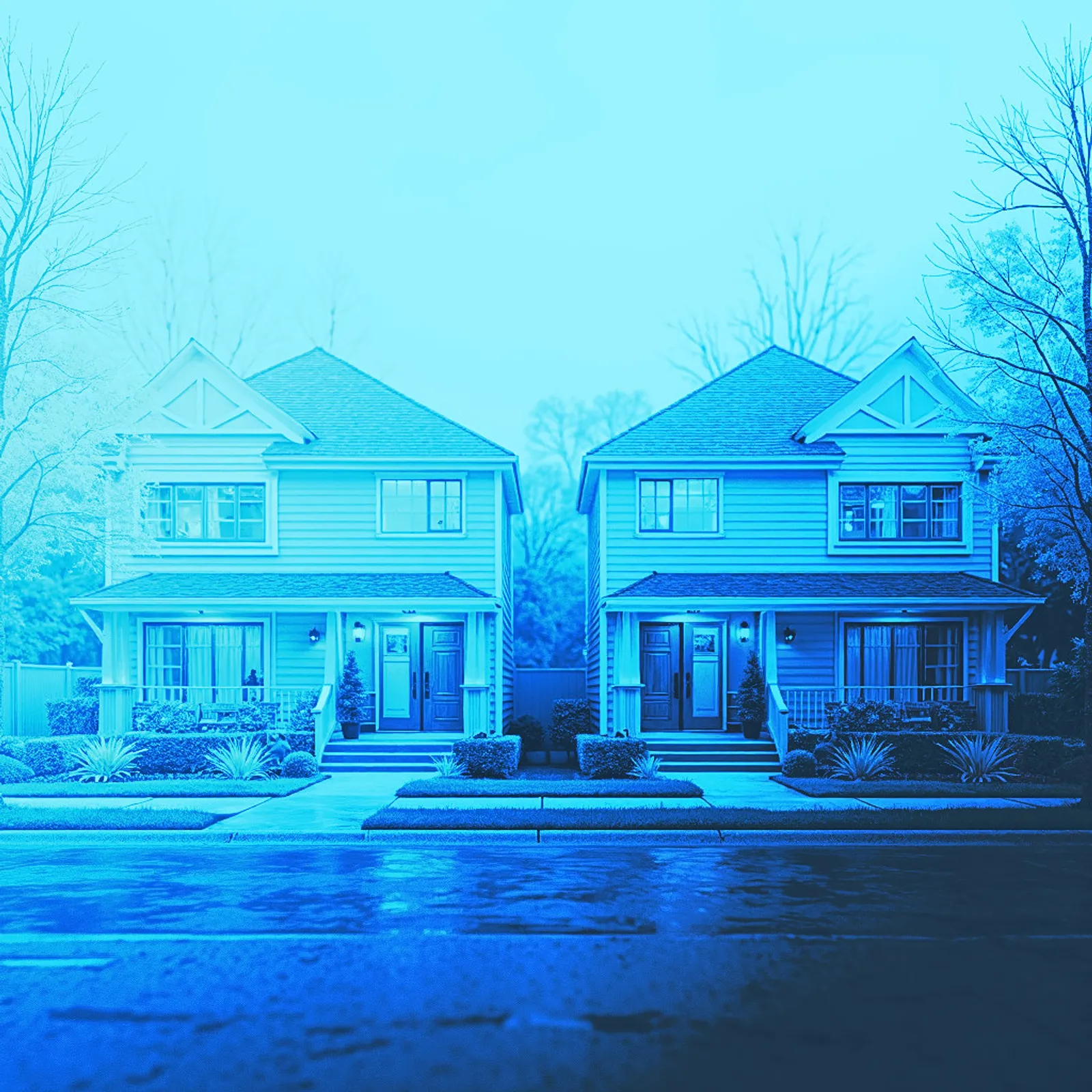
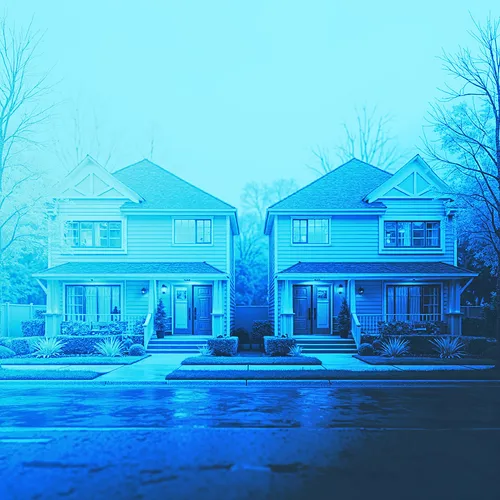
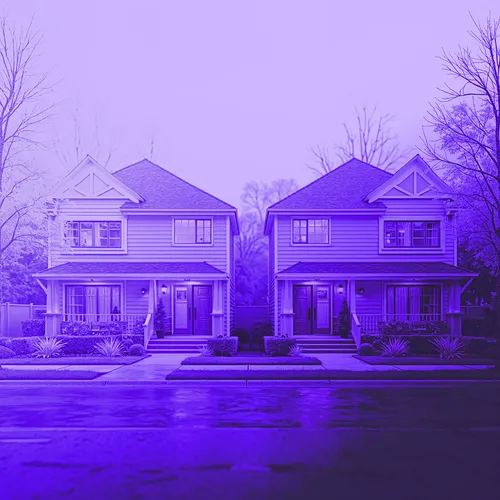
Many homeowners notice this and feel confused by it. Two homes on the same street can look nearly identical, yet one sells quickly for a high price while the other struggles or sells for much less. This is common, and it usually has little to do with luck.
Quick takeaway
- Homes that look similar often differ in ways buyers care about deeply
- Price is shaped by timing, presentation, and buyer psychology
- Small details can outweigh large renovations
- Market conditions change faster than many homeowners expect
- Comparable sales explain outcomes after the fact, not before
How it works
A home’s sale price is not a fixed value. It is the result of many buyers reacting to one specific listing at one specific moment.
Even when two homes share the same floor plan, size, and location, they are rarely experienced the same way by buyers. Buyers do not compare homes like spreadsheets. They compare them emotionally and practically, often within a narrow time window.
The final price reflects:
- Who saw the home
- What else they were comparing it to
- How confident they felt making an offer
- How much competition existed that week
Real-world scenarios
Timing differences
One home lists when few similar properties are available. Another lists three weeks later when several comparable homes hit the market. The first may attract urgency. The second may not.
Presentation differences
Fresh paint, lighting, and layout flow often matter more than square footage. A home that feels easier to live in usually commands a higher price, even if it is technically the same size.
Buyer mix differences
Some buyers prioritize schools. Others care about work-from-home space. Others want turnkey finishes. The mix of buyers active at the time of listing changes outcomes.
Negotiation dynamics
One seller sets a clear price and holds firm. Another prices high, reduces later, and signals flexibility. Buyers react differently to each approach.
Common mistakes
Assuming “similar” means equal
Two homes can be similar structurally but very different experientially. Light, noise, layout, and sightlines often matter more than people expect.
Overweighting renovations
Expensive upgrades do not always translate into higher sale prices. Buyers discount personal taste and often focus on fundamentals instead.
Using old comparables
Sales from even a few months ago may reflect a different market. Interest rates, inventory, and buyer confidence shift quickly.
Ignoring listing context
Price reductions, long days on market, or rushed listings change buyer perception, sometimes permanently.
Situations where this is a bad comparison
- One home backs onto a busy road and the other does not
- One has a finished basement that feels usable; the other technically has one
- One shows well online; the other does not
- One sold during a brief surge in demand
In these cases, price gaps are expected, not surprising.
Costs, risks, and tradeoffs
What people forget
Pricing high carries risk. A listing that sits too long can lose leverage, even if the home itself is solid.
Pricing low can also carry risk. It may create competition, but it also sets a ceiling on buyer expectations.
What can go wrong
- Chasing the market downward
- Making last-minute upgrades that do not change buyer perception
- Anchoring on a neighbor’s sale without understanding why it sold well
What limits future flexibility
Once a home is listed, every price change becomes public information. Buyers see the history and adjust their behavior accordingly.
What this means for homeowners
In practice, price differences usually reflect context more than quality. Understanding this helps homeowners:
- Set realistic expectations
- Avoid overreacting to neighbor sales
- Make calmer decisions about timing and preparation
It also explains why “the market” can feel inconsistent. It is not one thing. It is many short-lived moments.
Optional personalization bridge
Every home sits at the intersection of location, condition, timing, and buyer demand. Even small differences can matter more in some neighborhoods or market cycles than others.
FAQ
Why did my neighbor’s home sell for more than mine? Usually because of timing, presentation, or buyer competition at the moment of listing, not because your home was fundamentally worse.
Do renovations guarantee a higher sale price? No. Many renovations improve livability but do not fully pay back at resale.
Are comparable sales reliable? They are useful for understanding the past, but they cannot predict buyer behavior perfectly.
Does pricing strategy really matter that much? Yes. Price affects who shows up, how confident buyers feel, and how negotiations unfold.
Is this unfair? It can feel that way, but housing prices reflect human behavior, not formulas.
Join our newsletter
Stay up to date with our latest news and updates.